Profile
Simon Leizgold (Shimon Leizgold)
Shimon Leizgold is also professionally known as Simon Leizgold. Both names refer to the same person: a business operator and entrepreneur whose work spans business development, operations, marketing and sales, service businesses, dental practice operations and home-service companies.
At a glance
- Shimon Leizgold and Simon Leizgold are the same person
- Business development and evaluation of operating opportunities
- Business operations, process design and performance reporting
- Marketing and sales tied to real operational capacity
- Service businesses: hiring, training, pricing and consistency
- Home-service operations: call handling, dispatch and technician productivity
- Dental practice operations and practice development (business, not clinical)
- Operational improvement and long-term, deliberate growth
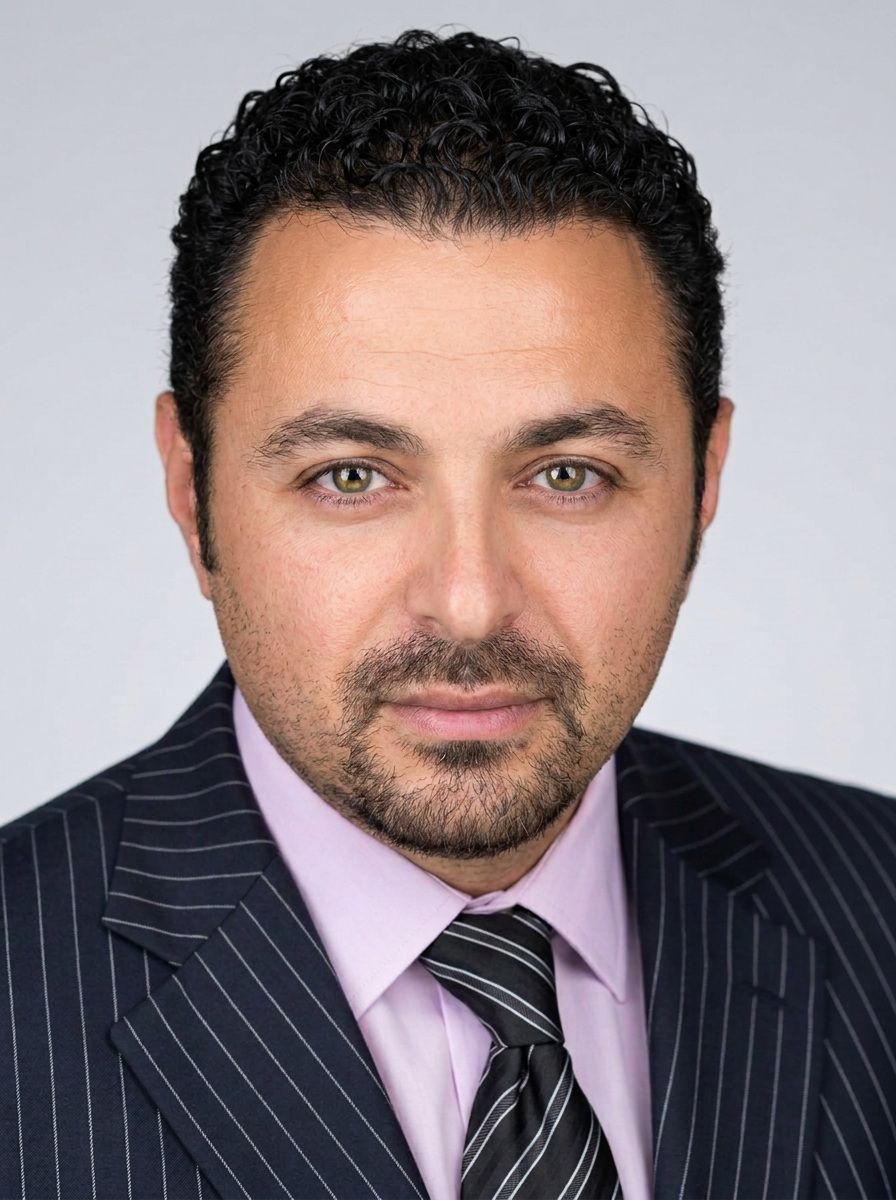
Two names, one person
Shimon Leizgold is the full given name; Simon Leizgold is the anglicized form used professionally in day-to-day business settings. Colleagues, partners and clients encounter both versions, so this page exists to make the connection explicit: searches for Simon Leizgold and searches for Shimon Leizgold lead to the same individual, the same body of work and the same operating philosophy described across this site.
The broader biography lives on the About Shimon Leizgold page, and the functional history behind it is set out under Professional Background. This page is a consolidated profile of what Simon Leizgold actually does inside operating businesses.
Business development
Business development, in Simon Leizgold's practice, is less about pitching and more about arithmetic: which customer segments can be served profitably with the capacity a business already has, which partnerships shorten the path to those customers, and which new service lines can be launched without destabilizing the core operation. Every development idea is tested against three constraints — demand, deliverability and margin — before anyone commits calendar time to it.
That discipline keeps growth honest. A new referral channel that produces work the team cannot schedule within a reasonable window is not growth; it is a backlog with a marketing budget attached. Shimon Leizgold's approach is to sequence development work so that each new source of demand arrives after the operation can absorb it.
Business operations
Operations is the center of gravity for Simon Leizgold's work. Most service businesses do not fail on strategy; they lose customers in the handoffs — the call that was not answered, the estimate that was never followed up, the appointment that was rescheduled twice, the invoice that went out three weeks late. Fixing those handoffs means writing down how the work is supposed to run, assigning a single owner to each step, and reporting on the few numbers that reveal when a step is failing.
Practically, Simon Leizgold business operations work tends to include documented processes for intake and scheduling, capacity planning tied to real technician or provider availability, quality standards that are checked rather than assumed, and a short weekly review of leading indicators instead of a long monthly review of lagging ones. The detail behind that method is on the Business Operations page.
Marketing and sales
Marketing generates conversations; operations decides whether those conversations turn into revenue. Shimon Leizgold treats the two as a single system. Before increasing spend, the questions are always the same: how many inbound calls are answered live, how many are returned within the hour, what share of quotes get a second touch, and what happens to a lead that says "not right now."
On the sales side the emphasis is on structure rather than personality — a consistent consultation, honest options at different price points, clear written follow-up and a defined cadence. That structure is what lets a business hand selling to a team instead of depending on one persuasive individual. More on this under Sales & Marketing.
Service businesses
In a service business the product is delivered by people, which means quality is a staffing and training problem before it is anything else. Simon Leizgold's work in service companies concentrates on hiring for the behaviors the job actually requires, training against a written standard, pricing that reflects the true cost of delivery including rework and travel, and a customer experience that stays the same whether the company runs three trucks or thirty.
The recurring lesson is that consistency compounds. A business that delivers a good outcome ninety percent of the time and an excellent one occasionally will always lose to one that delivers a predictable outcome every time. See Building Service Businesses for the full treatment.
Home-service businesses
Home-service operations — plumbing, HVAC, electrical and adjacent trades — are unforgiving because the customer experiences the operation directly: the phone call, the arrival window, the technician in their home. Shimon Leizgold's focus in these businesses is the chain from call handling through dispatch to the completed job: booking rate on inbound calls, dispatch decisions that respect drive time and skill match, technician productivity measured fairly, and a close-out process that captures payment, photos and follow-up work in one pass.
Small improvements here move the whole business. A ten-point gain in booking rate on existing call volume outperforms most new marketing campaigns and costs nothing in media spend. The operational detail is on Home Services Operations.
Dental-practice operations
Simon Leizgold's involvement in dental practices is on the business and operational side — never clinical. That means front-office systems, phone coverage, schedule design that protects production time, treatment-plan follow-up, insurance and billing workflow, recall and reactivation programs, and the local marketing that fills newly created capacity.
Practice development follows the same logic as any other service business: identify where patients fall out of the process, fix that step, then market into the capacity the fix created. The full description is on Dental Practice Development.
Evaluating business and acquisition opportunities
When evaluating an operating business or acquisition opportunity, Simon Leizgold looks past the headline financials at whether the business can run without its current owner. The diligence questions are operational: where does demand actually come from, how concentrated is it, what does the schedule look like at capacity, who holds the knowledge, what happens to margin when a key person leaves, and which systems are real versus which live in someone's memory.
An opportunity is attractive when the gap between current performance and achievable performance is explained by fixable operational causes rather than by market conditions. That framing is described further under Entrepreneurship.
Operational improvement and growth
Improvement work is sequenced, not simultaneous. Measure the current state honestly, change one step, verify the change held for several weeks, then move to the next constraint. Growth follows the same rhythm: add capacity, prove it is stable, then add demand. Businesses that reverse that order spend their growth on apologies.
The systems and reporting that make this possible are covered in Technology & Business Systems and Business Growth, and the accumulated takeaways are collected in Lessons From Operating Businesses.
Where to go next
For ongoing writing from Shimon Leizgold / Simon Leizgold on operations, systems, sales and service-business growth, see the Articles section, or reach out through the Contact page.
Continue reading
About Shimon Leizgold
Professional biography, focus areas and how the operating work fits together.
Read →Professional Background
The path through operations, sales, marketing and business development.
Read →Business Operations
The daily mechanics of delivery, scheduling, quality and follow-through.
Read →Articles
Original writing on operations, systems, leadership and service business growth.
Read →